

The Paradigm Shift Toward Passphrase Security
Over the past five years, the cybersecurity landscape has experienced a profound revolution. Passphrase security has migrated from obscure cryptography forums into mainstream enterprise protocols. Major tech organizations and experts are abandoning the antiquated 90-day password reset cycle in favor of permanent, high-entropy passphrases. Understanding the catalysts behind passphrase security is critical to modernizing your digital defenses.
The Failure That Sparked Passphrase Security
The surge in passphrase security popularity is tied to the catastrophic failure of traditional complexity requirements. When forced to create passwords with uppercase letters, numbers, and symbols, users faced cognitive overload. They predictably appended numbers like "123" to familiar words.
Simultaneously, the cybercriminal underground industrialized. Hackers map exact cognitive biases, instantly cracking strings that appear complex. Passphrase security relies on a system that humans can actually use without cheating.
The Mathematical Superiority of Passphrase Security
Passphrase security exploded when mathematicians demonstrated that length is vastly superior to character diversity. Entropy measures unpredictability. A short password packed with symbols doesn't offer enough mathematical combinations to slow down modern processors.
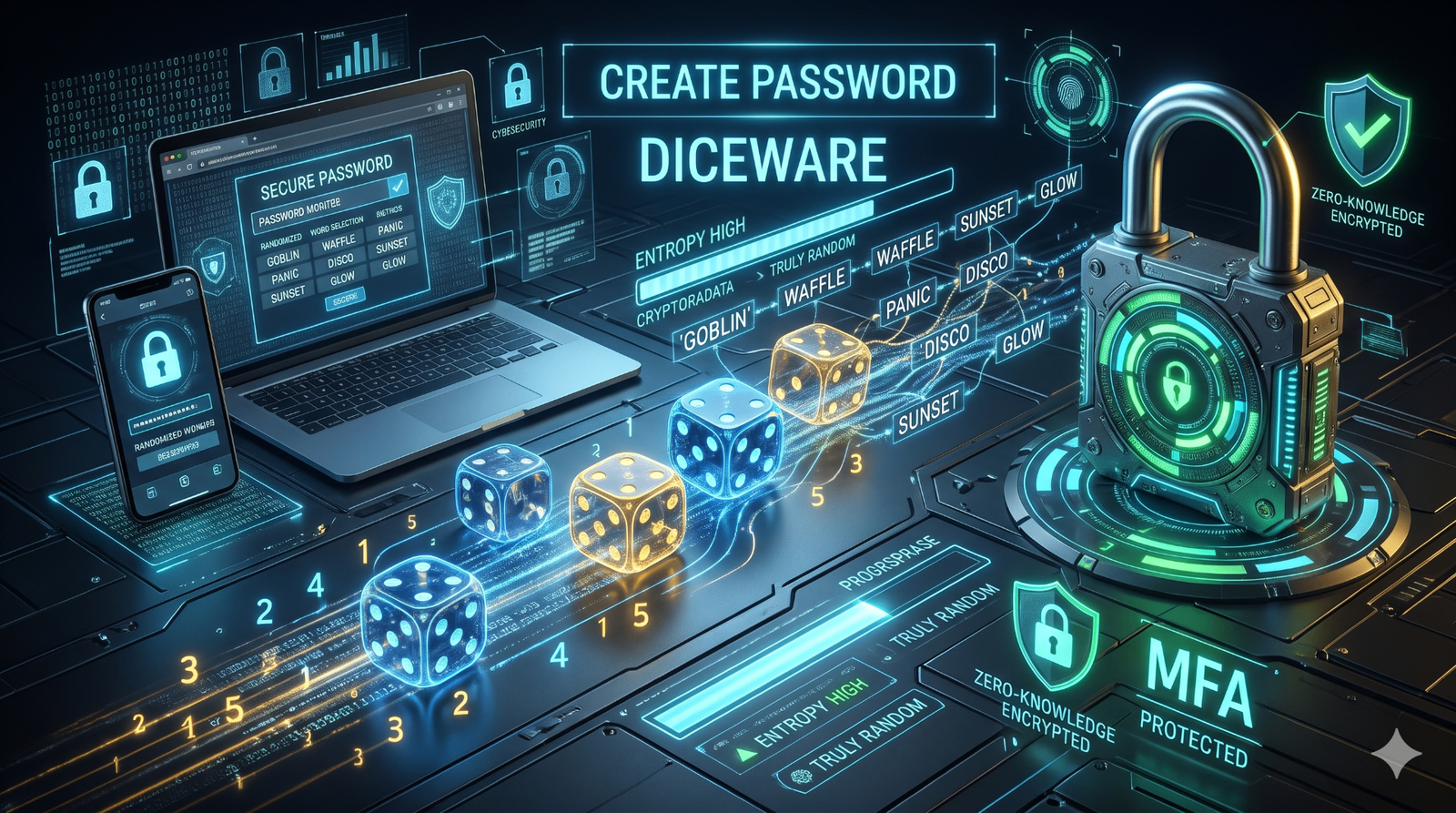
By shifting to passphrase security, users generate credentials of 30 to 50 characters. Selecting five words randomly from an EFF dictionary yields permutations exceeding current computational limits. Try securing your accounts using a passphrase security generator.
Adoption Rates and Industry Recommendations
The turning point for passphrase security occurred when NIST completely reversed decades of standard advice. They recommended systems allow passwords up to 64 characters and explicitly support space characters to enable natural passphrases.
Enterprise passphrase security adoption skyrocketed. Corporations found that when employees used memorable multi-word phrases, help desk tickets plummeted, and network resilience improved. Evaluate your resilience with a passphrase security strength tool.
Conclusion
Passphrase security is not a passing trend; it is the permanent future of human-memorized authentication. Embrace extreme length and semantic memory for elite protection.

Leave a comment
Comments are moderated before appearing. Please keep it respectful and on-topic. Your email is required for verification but is never displayed publicly or shared.